



GCN5/PCAF
GCN5 (KAT2A) and PCAF (KAT2B) are closely related GNAT-family lysine acetyltransferases that acetylate histone and non-histone proteins, thereby regulating chromatin organization, transcription, metabolism, and other fundamental cellular processes[1]. As catalytic subunits of major chromatin-associated complexes, including SAGA and ATAC, GCN5/PCAF function as transcriptional coactivators and contribute to global histone acetylation as well as locus-specific gene regulation[2][3][4]. Mechanistically, these enzymes transfer acetyl groups from acetyl-CoA to lysine residues and thereby influence gene expression programs linked to development, cell fate determination, genome integrity, and cellular homeostasis[1][3][6]. Studies in developmental and disease models further demonstrate that dysregulation of GCN5/PCAF-dependent acetylation is associated with tumorigenesis and other pathological states, highlighting their importance in maintaining normal cellular function[2][3]. Compared with the closely related isoform PCAF, GCN5 has been more extensively characterized within distinct SAGA- and ATAC-associated regulatory networks, although both proteins share highly conserved acetyltransferase and bromodomain architectures and exhibit overlapping biological activities[3][4][7]. Beyond their acetyltransferase function, both GCN5 and PCAF possess ubiquitination activity mediated by the PCAF_N region, indicating additional regulatory mechanisms that extend their influence on protein homeostasis and signaling pathways[7]. For experimental applications, pharmacological inhibition of GCN5/PCAF acetyltransferase activity, including the use of compounds such as CPTH2, has provided useful approaches for investigating chromatin regulation and acetylation-dependent biological processes[8].
References:
- [1]. Ononye OE, et al. Posttranslational regulation of the GCN5 and PCAF acetyltransferases. PLoS Genet. 2022 Sep 15;18(9):e1010352. [Content Brief]
- [2]. Nagy Z, et al. Distinct GCN5/PCAF-containing complexes function as co-activators and are involved in transcription factor and global histone acetylation. Oncogene. 2007 Aug 13;26(37):5341-57. [Content Brief]
- [3]. Koutsogiannouli EA, et al. Differential Effects of Histone Acetyltransferase GCN5 or PCAF Knockdown on Urothelial Carcinoma Cells. Int J Mol Sci. 2017 Jul 5;18(7):1449. [Content Brief]
- [4]. Toma-Fukai S, et al. Crystal structure of GCN5 PCAF N-terminal domain reveals atypical ubiquitin ligase structure. J Biol Chem. 2020 Oct 23;295(43):14630-14639. [Content Brief]
-
GCN5/PCAF Related Products (21)
Related Products (21)

- 1
- 2
-
Butyrolactone 3
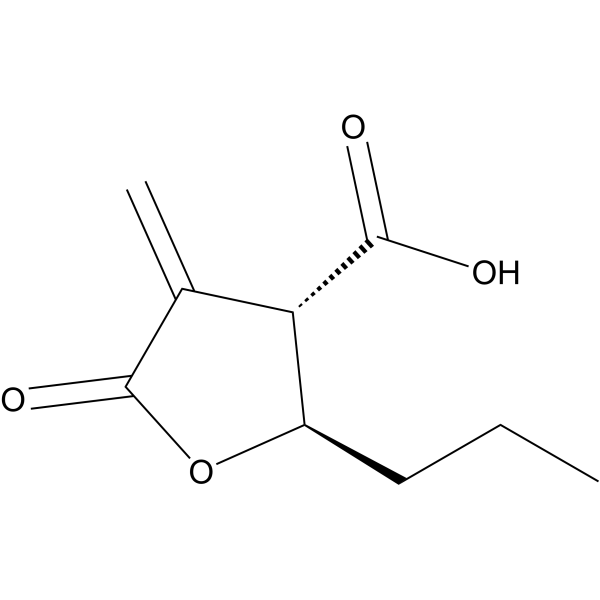 0 ImagesSynonyms: MB-3Butyrolactone 3 (MB-3) is a specifical small-molecule inhibitor of the histone acetyltransferase Gcn5 (IC50=100 μM), which has a high affinity to the Gcn5 enzyme comparable to that of its natural substrate, histone H3. Butyrolactone 3 shows weak inhibitory on CBP (IC50=0.5 mM). Butyrolactone 3 can be used in studies of cancer, metabolic, autoimmune and neurological diseases.
-
Anacardic Acid
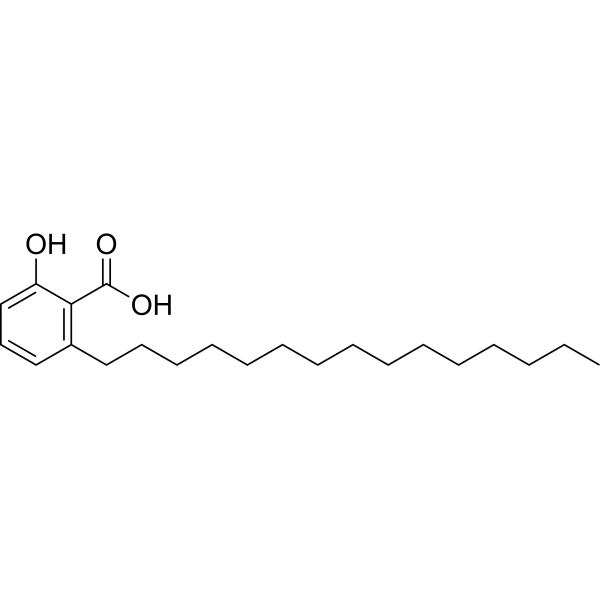 0 ImagesSynonyms: Hydroginkgolic acid; Ginkgolic Acid C15:0Anacardic Acid, extracted from cashew nut shell liquid, is a histone acetyltransferase inhibitor, inhibits HAT activity of p300 and PCAF, with IC50s of ∼8.5 μM and ∼5 μM, respectively.
-
Garcinol
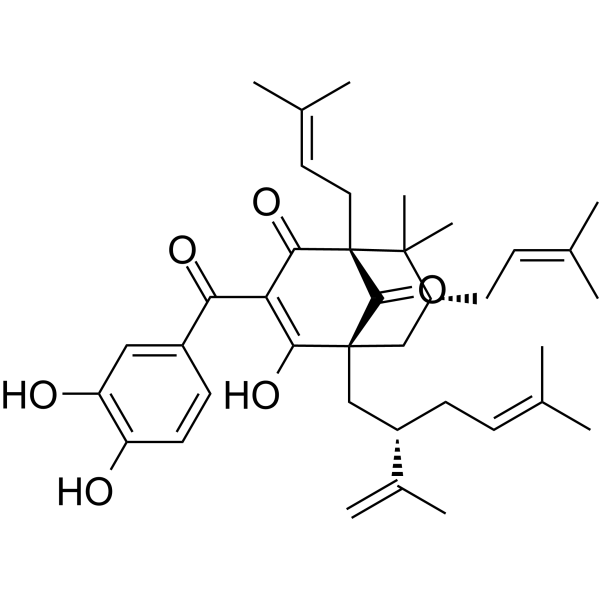 0 ImagesGarcinol, a polyisoprenylated benzophenone harvested from Garcinia indica, exerts anti-cholinesterase properties towards acetyl cholinesterase (AChE) and butyrylcholinesterase (BChE) with IC50s of 0.66 μM and 7.39 μM, respectively. Garcinol also inhibits histone acetyltransferases (HATs, IC50= 7 μM) and p300/CPB-associated factor (PCAF, IC50 = 5 μM). Garcinol has anti-inflammatory and anti-cancer activity.
-
CPTH2
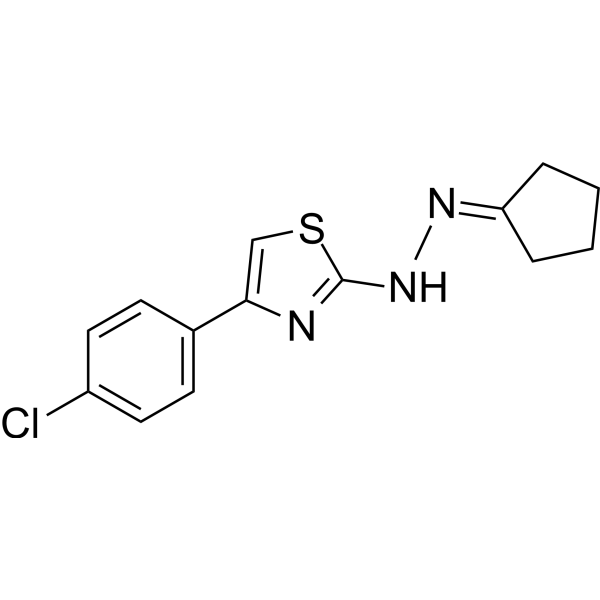 0 ImagesCPTH2 is a potent histone acetyltransferase (HAT) inhibitor. CPTH2 selectively inhibits the acetylation of histone H3 by Gcn5. CPTH2 induces apoptosis and decreases the invasiveness of a clear cell renal carcinoma (ccRCC) cell line through the inhibition of acetyltransferase p300 (KAT3B).
-
PU139
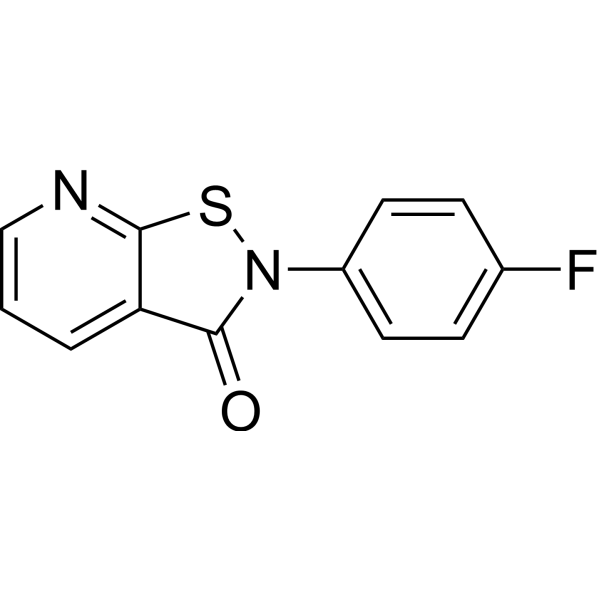 0 ImagesPU139 is a potent pan-histone acetyltransferase (HAT) inhibitor. PU139 blocks the HATs Gcn5, p300/CBP-associated factor (PCAF), CREB (cAMP response element-binding) protein (CBP) and p300 with IC50s of 8.39, 9.74, 2.49 and 5.35 μM, respectively.
-
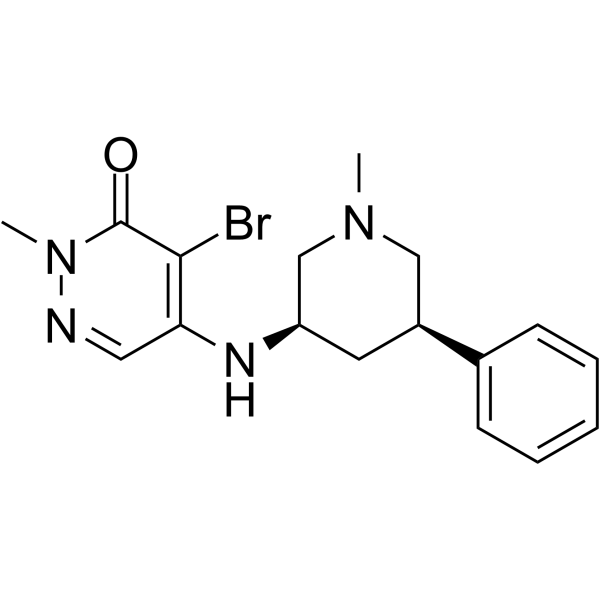
AUR1545
 0 ImagesAUR1545 is a selective KAT2A/KAT2B ((GCN5/PCAF)) PROTAC degrader that induces monocyte differentiation and inhibits the growth of acute myeloid leukemia cells. AUR1545 inhibits cell growth, induces epithelial differentiation and suppresses tumor growth in small cell lung cancer models. AUR1545 inhibits cell growth and induces differentiation in neuroendocrine prostate cancer cells and primary patient-derived organoids. AUR1545 is applicable to research related to acute myeloid leukemia, small cell lung cancer and neuroendocrine prostate cancer.
-
YF-2
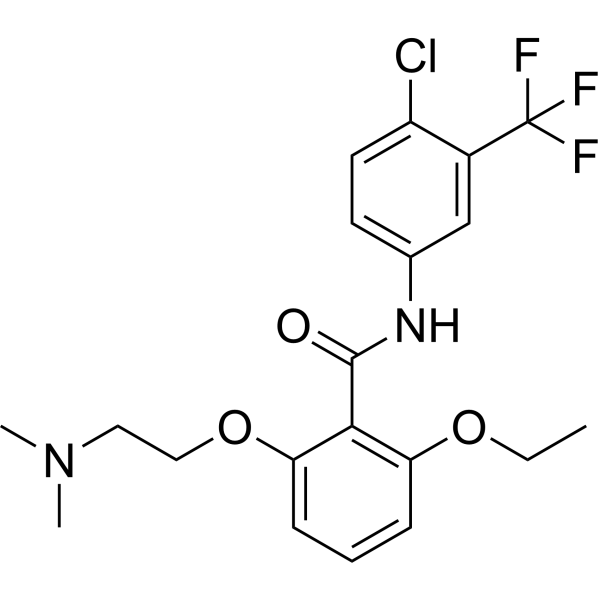 0 ImagesYF-2 is a highly selective, blood-brain-barrier permeable histone acetyltransferase activator, acetylates H3 in the hippocampus, with EC50s of 2.75 μM, 29.04 μM and 49.31 μM for CBP, PCAF, and GCN5, respectively, shows no effect on HDAC. Anti-cancer and anti-Alzheimer's disease.
-
GSK699
 0 ImagesGSK699 is a KAT2A/B/PCAF/GCN5 PROTAC degrader. GSK699 induces proteasome-dependent degradation of KAT2A, KAT2B, PCAF and GCN5, regulates the histone acetyltransferase activity of the SAGA complex, and reduces the level of histone H3K9ac. GSK699 inhibits the growth of neuroblastoma, acute myeloid leukemia and small cell lung cancer cells. GSK699 reduces the production of inflammatory cytokines and chemokines, and impairs LPS-stimulated immune cell responses. GSK699 is applicable to research related to acute myeloid leukemia, small cell lung cancer, neuroblastoma and inflammatory diseases.
-
GSK4028
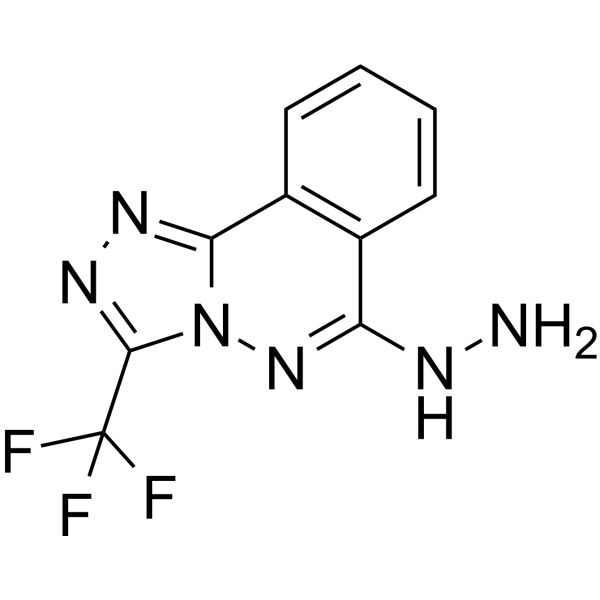
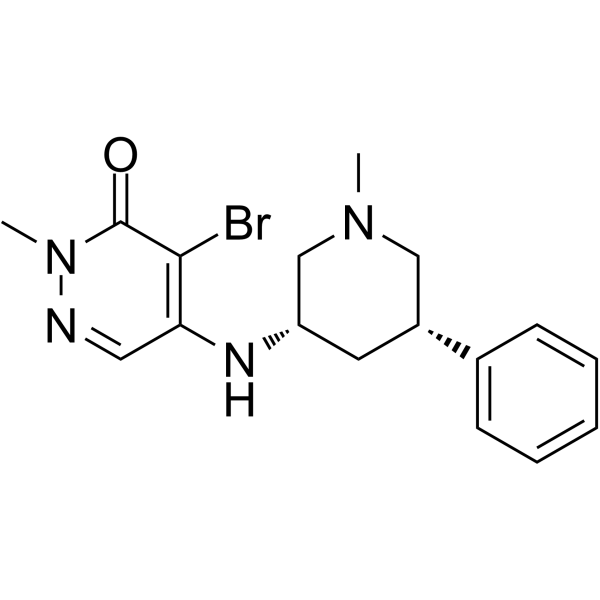 0 ImagesGSK4028 is the enantiomeric negative control of GSK4027, which is a PCAF/GCN5 bromodomain chemical probe, the pIC50 of GSK4028 is 4.9 in a time-resolved fluorescence resonance energy transfer (TR-FRET) assay.
-
YF-2 hydrochloride
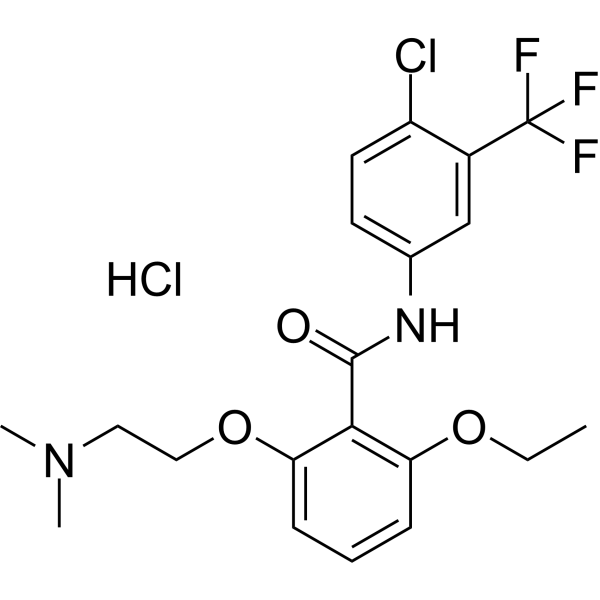 0 ImagesYF-2 hydrochloride is a highly selective, blood-brain-barrier permeable histone acetyltransferase activator, acetylates H3 in the hippocampus, with EC50s of 2.75 μM, 29.04 μM and 49.31 μM for CBP, PCAF, and GCN5, respectively, shows no effect on HDAC. Anti-cancer and anti-Alzheimer's disease.
-
NSC 694623
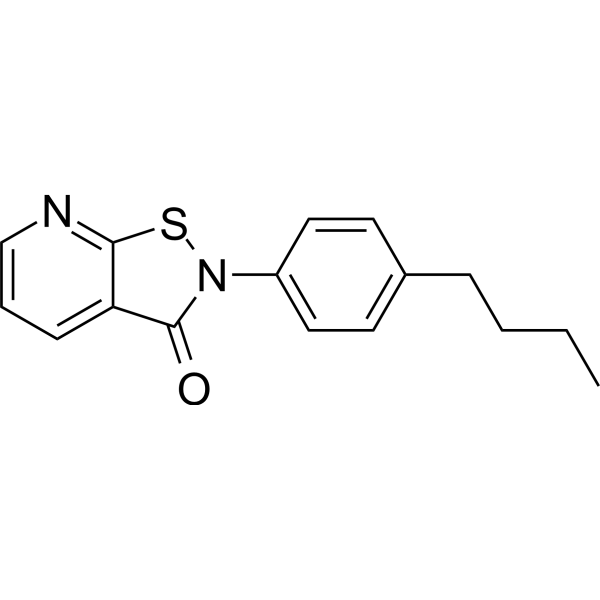 0 ImagesNSC 694623 is a potent histone acetyltransferase (HAT) inhibitor with an IC50 value of 15.9 μM for recombinant HAT p300/CBP-associated factor (PCAF). NSC 694623 has antiproliferative activity against certain cancer cells. NSC 694623 can be used for researching anticancer.
-
CBP/p300-IN-19 hydrochloride
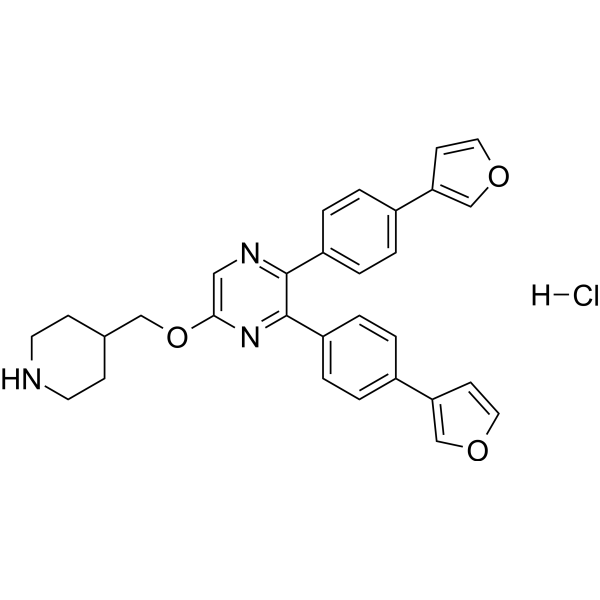 0 ImagesCBP/p300-IN-19 hydrochloride is a potent and selective p300/CBP HAT inhibitor with IC50s of 1.4, 2.2, >100, >100 µM for p300-HAT, CBP-HAT, PCAF, Myst3, respectively. CBP/p300-IN-19 hydrochloride shows antitumor activity.
-
CAY10669
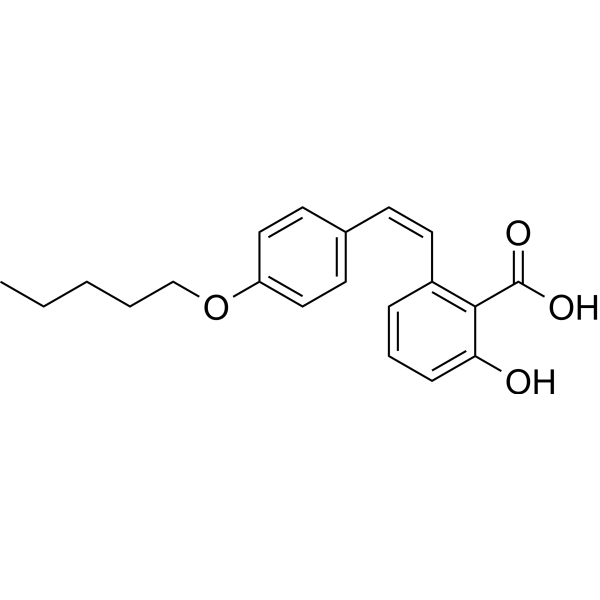 0 ImagesCAY10669 (compound 6d) is an anacardic acid (HY-N2020) derivative that inhibits histone acetyltransferase PCAF with an IC50 of 662 μM. CAY10669 enhances the SAHA-induced acetylation in HEPG2 cells, exhibits cytotoxicity in zebrafish embryo, promotes transgene expression in CHO-K1 cells.
-
CPTH2 hydrochloride
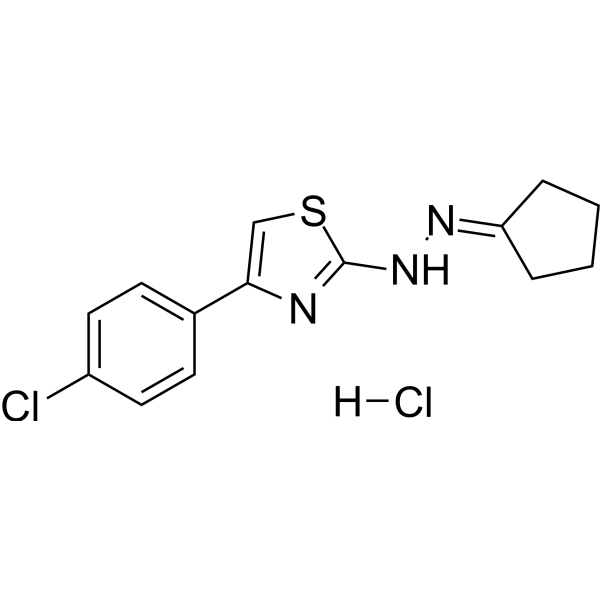 0 ImagesCat. No.: HY-W013274ACAS No.: 2108899-91-6CPTH2 hydrochloride is a potent histone acetyltransferase (HAT) inhibitor. CPTH2 hydrochloride selectively inhibits the acetylation of histone H3 by Gcn5. CPTH2 hydrochloride induces apoptosis and decreases the invasiveness of a clear cell renal carcinoma (ccRCC) cell line through the inhibition of acetyltransferase p300 (KAT3B).
-
GSK702
 0 ImagesCat. No.: HY-185009CAS No.: 2260944-69-0GSK702, a PROTAC, is a the less active cis-(S,S)-enantiomer of GSK983 (P300/CBP-associated factor (PCAF)/general control nonderepressible 5 (GCN5) PROTAC). GSK702 induces only a small decrease of PCAF protein levels. GSK702 binds to CRBN and causes a reduction of IL-1β in macrophages. GSK702 can be used for the study of inflammatory mediators.
-
CCT077791
 0 ImagesCat. No.: HY-121009CAS No.: 748777-47-1CCT077791 is a PCAF (IC50: 7.3 μM (FlashPlate); 2.2 μM (Filter assay)) and p300 histone acetyltransferase inhibitor. CCT077791 reduces total acetylation of histones H3 and H4, levels of specific acetylated lysine marks, and acetylation of α-tubulin. CCT077791 can be used in the research of colorectal cancer.
-
CBP/p300-IN-19
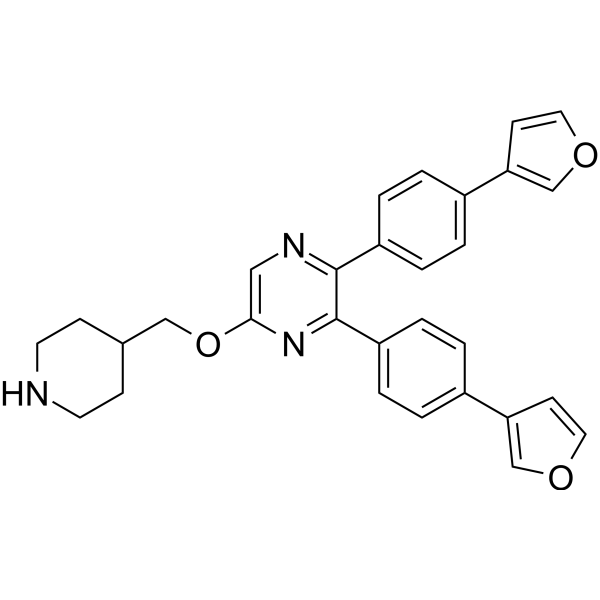 0 ImagesCat. No.: HY-146277CAS No.: 2592638-13-4CBP/p300-IN-19 is a potent p300/CBP HAT inhibitor with IC50s of 1.4, 2.2, >100, >100 µM for p300-HAT, CBP-HAT, PCAF, Myst3, respectively. CBP/p300-IN-19 shows antitumor activity.
- 1
- 2



